


Cuánto Vale un Panel Solar en Colombia: A Global Perspective for European Markets

Table of Contents
The Global Solar Boom: Why Prices Matter Everywhere
When Colombian homeowners search "cuánto vale un panel solar en Colombia", they're asking the same fundamental question as European energy consumers: What's the real cost of solar independence? While geographical markets differ, solar pricing follows interconnected global patterns. As photovoltaic technology becomes the backbone of Europe's energy transition, understanding these dynamics helps consumers make smarter decisions. Did you know that every 1€ decrease in global solar module costs accelerates adoption by approximately 3% in Mediterranean markets?
What Determines Solar Panel Prices? Key Factors Unpacked
Solar panel costs aren't arbitrary – they're a complex equation where global and local variables intersect. Here's what shapes prices:
- Raw Material Costs: Polysilicon prices fluctuate like commodities – a 20% spike can add €0.05/W to modules
- Technology Tier: Monocrystalline panels (22%+ efficiency) cost 15-25% more than polycrystalline
- Import Logistics: European tariffs add 8-12% to Asian-manufactured panels
- Scale Economics: Utility-scale projects achieve 30% lower €/W than residential installations
As Solar Pro's lead engineer Maria Fernandez notes: "The 'sticker price' is just the beginning. True value emerges when you calculate lifetime energy yield against climate conditions."
European Solar Panel Costs: Current Market Data
European pricing reflects regional incentives and competition. Here's the 2024 landscape:
| Country | Residential System (€/W) | Utility-Scale (€/W) | Price Trend |
|---|---|---|---|
| Germany | 1.45 - 1.85 | 0.95 - 1.15 | ↓ 5% YoY |
| Spain | 1.30 - 1.70 | 0.85 - 1.05 | ↓ 7% YoY |
| Italy | 1.50 - 1.90 | 1.00 - 1.20 | ↓ 4% YoY |
Source: Fraunhofer ISE Energy Report 2024
Real-World Case: Germany's Solar Transformation
Consider the Müller family in Bavaria. In 2022, they installed a 8.2kW system at €1.78/W (total €14,596). Despite higher upfront costs than Southern European markets, their ROI was accelerated by:
- German feed-in tariffs guaranteeing €0.087/kWh for excess power
- 19% VAT exemption on solar installations
- Regional subsidies covering 15% of hardware costs
Result? Their system generated 9,200 kWh annually, achieving payback in 6.8 years – 2 years faster than the European average. 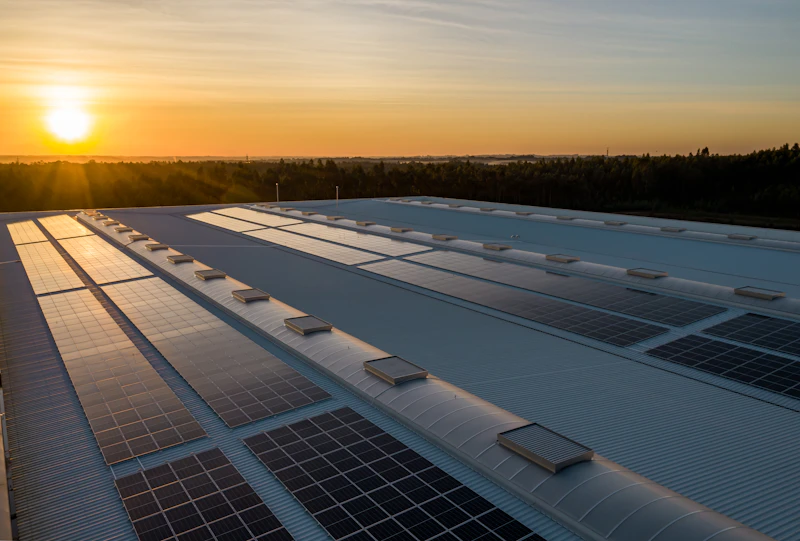
Future Price Trends & Smart Buying Strategies
Where are solar prices heading? Industry indicators suggest:
- PERC cell technology will dominate through 2026, keeping prices stable
- Bifacial panel costs will drop below €0.40/W by 2025 for utility projects
- EU Carbon Border Tax may add 3-5% to imported panels post-2026
Pro tip: Combine timing with technology selection. As Barcelona-based installer TechSolares advises: "Invest in microinverters now if expanding later – they add just 8% to system costs but enable modular growth."
Your Solar Decision Moment
When evaluating "cuánto vale un panel solar" for your property, what local incentives could transform your payback timeline? Have you calculated how panel degradation rates (typically 0.5%/year) affect your 20-year energy yield?
Related Contents

Understanding Home Solar Panel Price Philippines: A Global Perspective for European Homeowners
Solar-powered homes in Europe achieve energy independence (Source: Unsplash/Photographer Name)

Solar Panel 300 Watts Price Philippines: A Global Perspective for European Energy Transition
As European homeowners explore solar solutions, the "solar panel 300 watts price Philippines" search trend reveals a fascinating global pattern. While the Philippines faces unique challenges like tropical weather and import dependencies, Europe's mature market offers compelling alternatives. This article examines how 300W panels fit into global energy strategies and why European consumers hold distinct advantages.

Understanding Solar Panel Costs: Precio Panel Solar Guatemala and Global Trends
When researching "precio panel solar Guatemala," you're tapping into a worldwide movement. Solar panel costs have plummeted 89% globally since 2010, transforming renewable energy from luxury to necessity. In Guatemala, this trend manifests as increased residential installations, while in Europe, countries like Germany and Spain lead industrial-scale adoption. The common thread? Economics now favor solar – a 5kW system in Guatemala pays back in 4-7 years, comparable to European ROI timelines.

Why Leading Kontraktor Solar Panel Malaysia Services Are Shaping Global Solar Trends
As Europe accelerates its renewable energy transition, innovative solar solutions from unexpected regions are gaining attention. Among these, Malaysia's world-class kontraktor solar panel expertise offers surprising lessons for European developers. With 80% of Malaysian contractors now using AI-driven monitoring systems, this Southeast Asian hub combines tropical climate know-how with German-grade engineering standards. Let's explore how their approaches can benefit your projects.

600 Watt Solar Panel Price Philippines: Unlocking Global Solar Potential
Imagine cutting your rooftop solar installation costs by 30% while generating more power. That's the revolution 600W solar panels bring to global markets – including the Philippines, where discussions about 600 watt solar panel price Philippines are gaining momentum. As solar technology leaps forward, these high-efficiency panels are transforming how homeowners and businesses approach renewable energy. European markets like Germany and Spain are rapidly adopting them, with installations growing 42% year-over-year according to SolarPower Europe.
 Inquiry
 Online Chat