


The Power of Solar Cell Polycrystalline Technology in Global Renewable Energy

Table of Contents
Introduction: The Rise of Polycrystalline Solar
Have you ever wondered what's powering Europe's solar revolution? Solar cell polycrystalline technology sits at the heart of this transformation. Unlike its monocrystalline cousins, polycrystalline silicon cells offer a compelling balance of affordability and performance – making them the workhorse of commercial solar installations across the continent. As sunlight hits those distinctive blue-hued panels, they convert photons into clean energy with remarkable efficiency. But what makes them so special? Let's explore.
Market Phenomenon: Europe's Polycrystalline Boom
The European solar landscape has undergone a seismic shift. Between 2019-2023, polycrystalline installations grew by 42% across EU nations, driven by plunging manufacturing costs. Why this surge? Farmers converting barn roofs, factories slashing energy bills, and municipalities meeting carbon targets all find polycrystalline's value proposition irresistible. The technology's tolerance for diverse climates – from Mediterranean heat to Nordic winters – further fuels adoption. As one installer in Spain told us: "For grid-scale projects where budget dictates success, polycrystalline remains king."
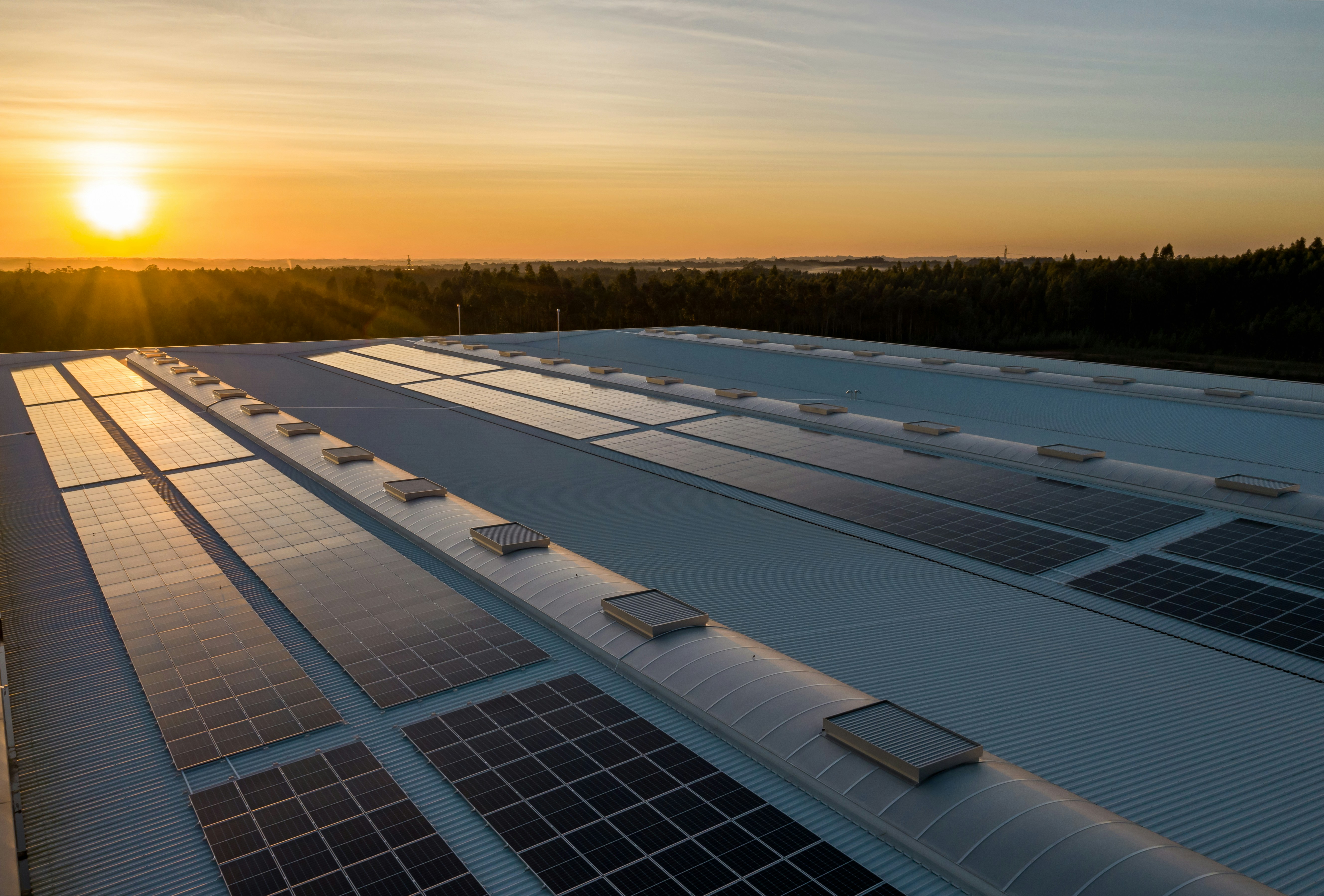
Image source: Unsplash - Commercial solar farm using polycrystalline modules
Performance Data: Efficiency & Durability Metrics
Modern polycrystalline cells deliver impressive specs that challenge outdated perceptions. Consider these benchmarks:
| Parameter | Polycrystalline Average | Annual Improvement |
|---|---|---|
| Conversion Efficiency | 17-19% | 0.5% (2020-2023) |
| Temperature Coefficient | -0.39%/°C | 5% better since 2018 |
| 25-Year Degradation | <0.7%/year | Stable since 2015 |
These aren't just lab numbers. Field data from EU Energy Observatory shows polycrystalline arrays maintain 92% output after 15 years in harsh environments. The secret? Improved silicon casting techniques and anti-reflective coatings that boost light absorption. While peak efficiency trails monocrystalline by 2-3%, the cost per watt is 15-20% lower – a tradeoff many commercial users gladly accept.
German Case Study: Real-World Implementation
Let's examine how this plays out in practice. Consider Bavaria's 18MW Neuhof Solar Park, where 55,000 polycrystalline modules blanket 24 hectares of reclaimed land. Since commissioning in 2021:
- Annual generation averages 21GWh – powering 6,500 homes
- Installation costs were €14.2M (€0.79/W) – 18% below monocrystalline quotes
- Revenue hit €2.3M in first year despite 17% below-average sunlight
Project lead Eva Müller explains: "We evaluated all technologies, but polycrystalline delivered the optimal LCOE. The modules exceeded performance guarantees during last winter's snowstorms, proving their resilience." Data from this project contributed to Germany's Fraunhofer ISE 2023 whitepaper validating polycrystalline ROI in Central Europe.
Innovation Insights: Next-Gen Advancements
Where is solar cell polycrystalline technology heading? Cutting-edge research focuses on three frontiers:
- Perovskite pairing: Tandem cells combining polycrystalline silicon with perovskite layers achieving 27% efficiency in trials
- Recycling breakthroughs: New processes recover 99% silicon from decommissioned panels
- Bifacial designs: Capturing reflected light boosts yield by 8-12% in snow/grass environments
As Dr. Lars Jensen (ETH Zurich) notes: "We're not just squeezing more watts from polycrystalline – we're reimagining its role in circular solar economies. Recent advances in diamond-wire sawing have reduced silicon waste during manufacturing by 60% since 2018."
Future Horizons: Where Polycrystalline Shines
Could emerging technologies displace polycrystalline? Unlikely soon. Its manufacturing scalability remains unmatched – a single facility can produce 5GW annually. For urban solar carports, agricultural co-ops, or utility-scale farms, the equation still favors polycrystalline when balancing Capex and longevity. With European solar targets requiring 60GW annual installations by 2030, this technology will carry much of the load.
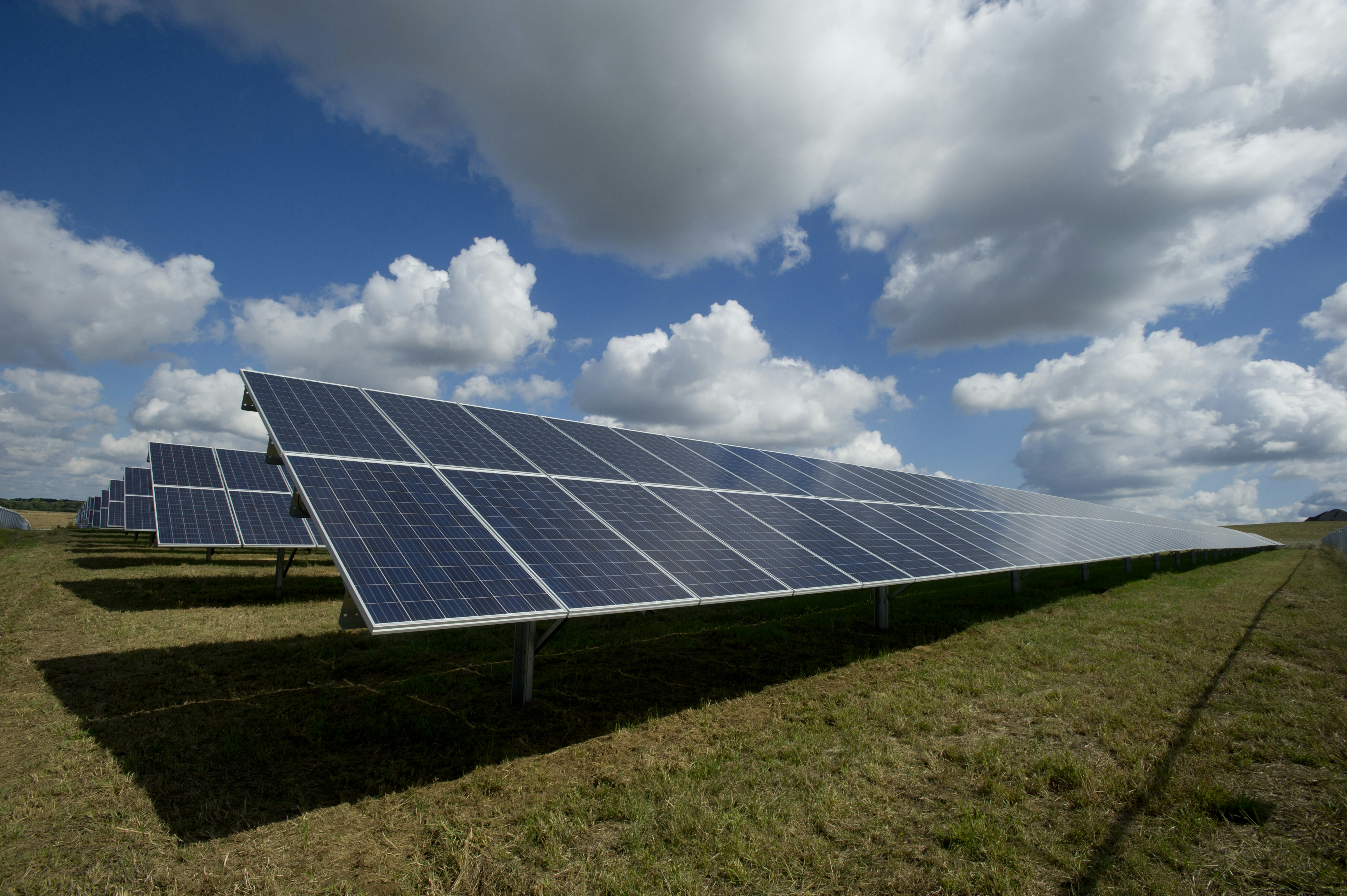
Image source: Unsplash - Polycrystalline panel recycling process
What local conditions would make solar cell polycrystalline your optimal solution? Share your project parameters, and let's calculate your energy harvest potential.
Related Contents

How China's Solar Power Company Revolution is Reshaping Global Renewable Energy
a village in Bavaria where solar panels glint against Alpine snow, or Spanish rooftops humming with clean energy – all powered by technology from Chinese solar giants. What began as manufacturing clusters in Jiangsu and Zhejiang now powers 35% of global PV installations. Europe's energy transition narrative is being rewritten, with Chinese solar power companies emerging as pivotal characters in this story.

Solar Energy Transformation: How Hefei Yangtze Solar Power Co Ltd Powers Europe's Renewable Revolution
A bakery in Lyon receives its December energy bill - 300% higher than the previous year. Meanwhile, a Berlin manufacturer faces production halts due to grid brownouts. These aren't isolated incidents but symptoms of Europe's energy inflection point. Since 2021, EU industrial electricity prices have surged by 127% (Eurostat), while grid modernization lags behind renewable integration. The continent's ambitious REPowerEU plan targets 45% renewable energy by 2030, yet traditional solar solutions struggle with three critical gaps:

Energy Storage Cabinet Solar Cell 3 Phase: Revolutionizing Industrial Renewable Power
Across European factories and manufacturing hubs, a quiet revolution is underway. As you walk through industrial zones from Hamburg to Milan, you'll notice solar panels covering factory roofs - but the real magic happens inside the energy storage cabinet solar cell 3 phase installations. These technological powerhouses are transforming how industries consume renewable energy. With Europe's industrial sector accounting for 26% of total energy consumption (Eurostat 2023), the shift toward three-phase storage solutions represents a fundamental reimagining of power management.

The Solar Cell Hybrid Energy Storage Cabinet: Revolutionizing Renewable Power Management
As Europe pushes toward 2030 renewable energy targets, grid instability and energy waste remain stubborn challenges. Enter the solar cell hybrid energy storage cabinet – an integrated solution combining PV generation with intelligent storage. This technology isn't just theoretical; Hamburg's Energiepark Bruck now powers 1,200 homes using 40 hybrid cabinets, achieving 98% self-consumption of solar energy. Let’s explore how these systems are transforming energy infrastructure.

The Declining Cost of Solar Power Production: Reshaping Global Energy Economics
Image source: IRENA Renewable Cost Database 2023
 Inquiry
 Online Chat