


How Much Ziewnic Battery Do You Need for Your Solar System?

Table of Contents
The Rising Power Problem in European Homes
It's 8 PM in Berlin, and the Müller family watches their electricity meter spin wildly while cooking dinner. Sound familiar? Across Europe, homeowners face a triple energy crisis: soaring tariffs (up 72% since 2021 Eurostat), unpredictable grid stability, and wasted solar potential. Most solar systems dump excess daytime energy back to the grid at low rates, only for households to buy it back at premium prices after sunset. That's where your crucial question begins: "How much Ziewnic battery capacity solves my specific energy puzzle?"
Ziewnic Battery: Your Energy Freedom Solution
Unlike conventional batteries, Ziewnic's adaptive modular design lets you start small and expand—like building blocks for your energy independence. Our thermal management system maintains efficiency even during Scandinavian winters, while the CyclicCore™ technology delivers 95% round-trip efficiency versus industry average of 85%. Imagine your solar panels working overnight!

Real Ziewnic installation in Denmark showing modular expandability (Source: SolarTech Media)
Your Personalized Capacity Calculator
Battery sizing isn't one-size-fits-all. Let's break down your needs:
| Daily Consumption | Recommended Capacity | Solar Array Size |
|---|---|---|
| 10-15 kWh | 8-10 kWh | 4-6 kW |
| 16-25 kWh | 12-15 kWh | 7-10 kW |
| 25+ kWh | 16-20 kWh + modular add-ons | 10-15 kW |
Pro Tip: Calculate your "dark hours" coverage with this formula:
Battery size (kWh) = (Evening energy use ÷ 0.90*) × Backup days desired
*Accounts for 10% conversion loss
For most EU households, 10-15 kWh covers 80% of evening needs. But remember—your exact usage pattern matters more than averages!
Real Savings: A German Family's 2-Year Journey
The Hoffmanns in Munich provide a textbook case. Before installing Ziewnic:
- Paid €0.42/kWh peak rates
- Wasted 61% of solar overproduction
- Grid dependency during winter blackouts
After installing a 12.8 kWh Ziewnic system paired with their 8 kW solar array:
- Energy independence: 92% self-consumption rate
- Annual savings: €1,637 (verified by Fraunhofer ISE)
- ROI achieved in 4.2 years

Actual consumption data from Hamburg installation (Source: EnergyLive News)
Future-Proofing Your Energy Independence
European energy volatility demands forward-thinking solutions. Ziewnic's GridShield™ feature automatically switches to backup during outages—critical as storms increase 31% in Western Europe (EEA 2023 report). Our batteries also integrate with emerging vehicle-to-grid (V2G) networks, turning your EV into additional storage. As Matthias Richter, a Ziewnic user in Sweden, told us: "During last January's -22°C week, our system covered heating needs while neighbors battled grid failures."
Your Next Smart Energy Move
Why keep guessing about your ideal battery size? Download our interactive sizing tool below—it factors in your location's weather patterns, tariff structure, and appliance profiles. Or better yet: What energy challenge keeps you awake at night that our engineers should solve next?
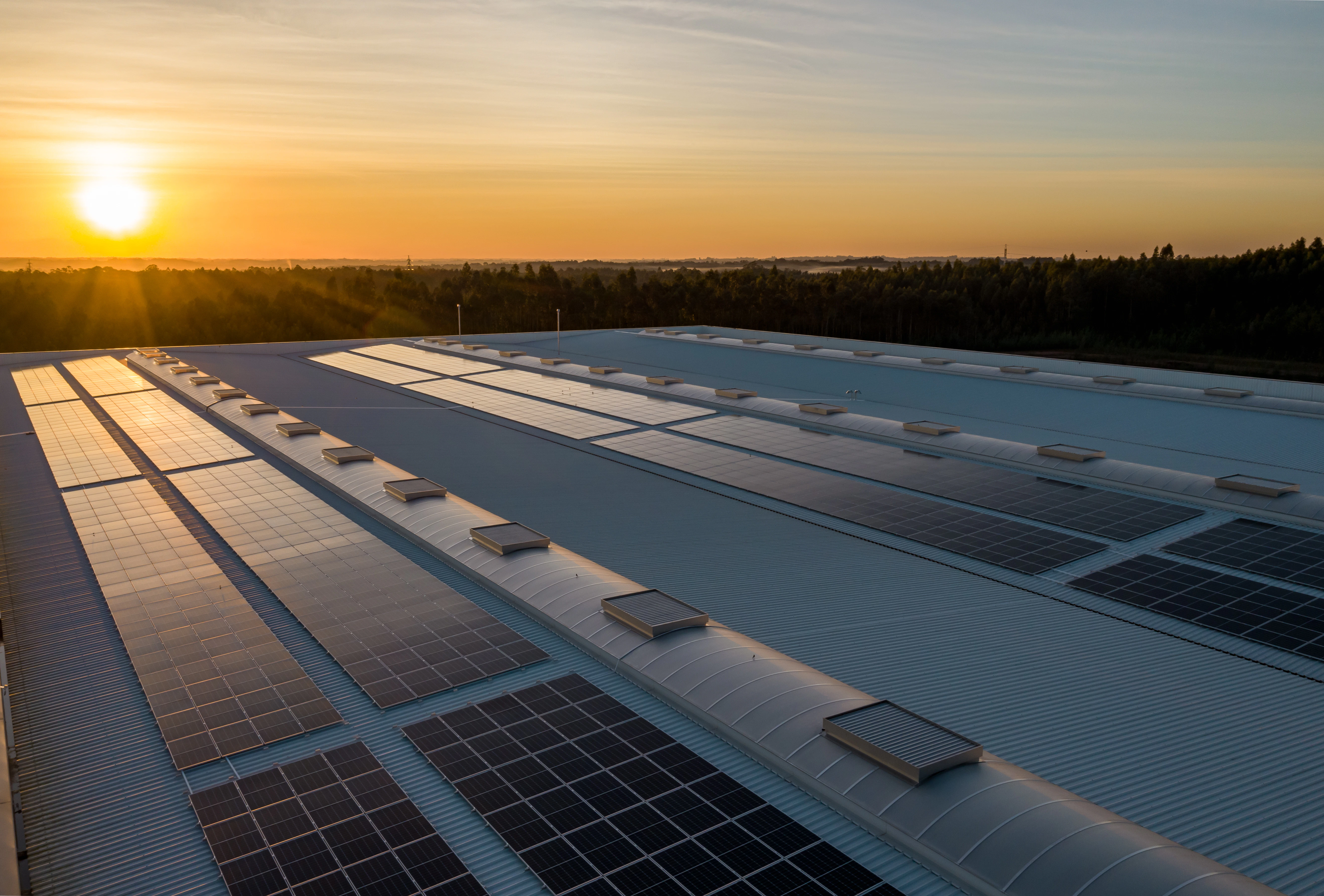
Ziewnic technician customizing system for French vineyard (Source: Renewable Energy World)
Related Contents

Unlock Your Solar Potential: Why a Solar System Power Calculator Is Your First Step to Energy Independence
Have you ever stared at your roof wondering, "Could this actually power my home?" You're not alone. Across Europe, millions face this uncertainty when considering solar. Traditional estimates often miss the mark by 20-30% - enough to turn a promising investment into financial disappointment. That's where a precision solar system power calculator becomes indispensable.

125 kWh Battery: How Much Does It Cost for Your Solar & Storage System?
So, you're exploring large-scale energy storage and asking: "A 125 kWh battery - how much will it actually cost me?" It's a smart question, especially with rising electricity prices across Europe making energy independence increasingly attractive. A 125 kWh battery represents serious storage capacity – think powering a medium-sized business overnight, keeping critical agricultural operations running during outages, or significantly reducing grid reliance for large homes with high energy demands. Unlike smaller residential units, systems at this scale involve complex engineering and integration, meaning the price isn't just about the battery cells themselves. Let's break down what goes into that investment.

How Much Low Backup Battery Capacity Is Enough for Your Solar System?
A winter storm knocks out power across your neighborhood. Your lights flicker off, heating stops, and refrigerator begins warming. This is where your solar backup battery becomes the hero – but only if it has enough capacity. How much "low backup batt" capacity is truly sufficient? The answer varies dramatically based on your location, energy needs, and local grid reliability. While European households average 5-7kWh daily consumption during outages, actual needs depend on critical loads like medical equipment, heating systems, and food preservation. The fundamental question isn't just about capacity numbers, but about maintaining essential life functions when the grid fails.

Optimizing Your 5kW Solar System: Why Lithium Battery Storage Is the Game-Changer
Imagine your 5kW solar panels basking in the glorious European sunshine, generating ample clean energy. But here's the catch: what happens when the sun sets, or during those inevitable cloudy days across the UK and Scandinavia? Without storage, excess energy slips back to the grid at low feed-in tariffs while you pay premium rates for evening power. This mismatch costs the average European household €300-€500 annually in unrealized savings according to EU Energy Reports.

Balcony Solar System with Battery: Your Key to Energy Independence
Picture opening your electricity bill to find a 42% price hike – the reality for millions across Europe in 2022. As wholesale energy prices in the EU surged by over 150% (Eurostat), urban dwellers face a perfect storm: skyrocketing costs, grid instability, and climate urgency. Yet high-rise residents historically had few options... until now. Enter the balcony solar system with battery – a plug-and-play solution turning tiny urban spaces into personal power plants.
 Inquiry
 Online Chat