


solar energy harvesting devices: Powering Europe's Clean Energy Transition

Table of Contents
The Dawn of Solar Harvesting in Europe
rooftops across Berlin, Barcelona, and Birmingham glinting with blue-black arrays under the European sun. These aren't mere decorations - they're sophisticated solar energy harvesting devices silently converting photons into power. Across our continent, a quiet revolution is underway as households and businesses increasingly turn to these systems. Why this surge? Well, have you noticed your energy bills climbing while weather patterns grow more unpredictable? That discomfort you feel mirrors Europe's broader energy anxiety. Solar harvesting devices address this by turning every sunbeam into a currency against volatility.
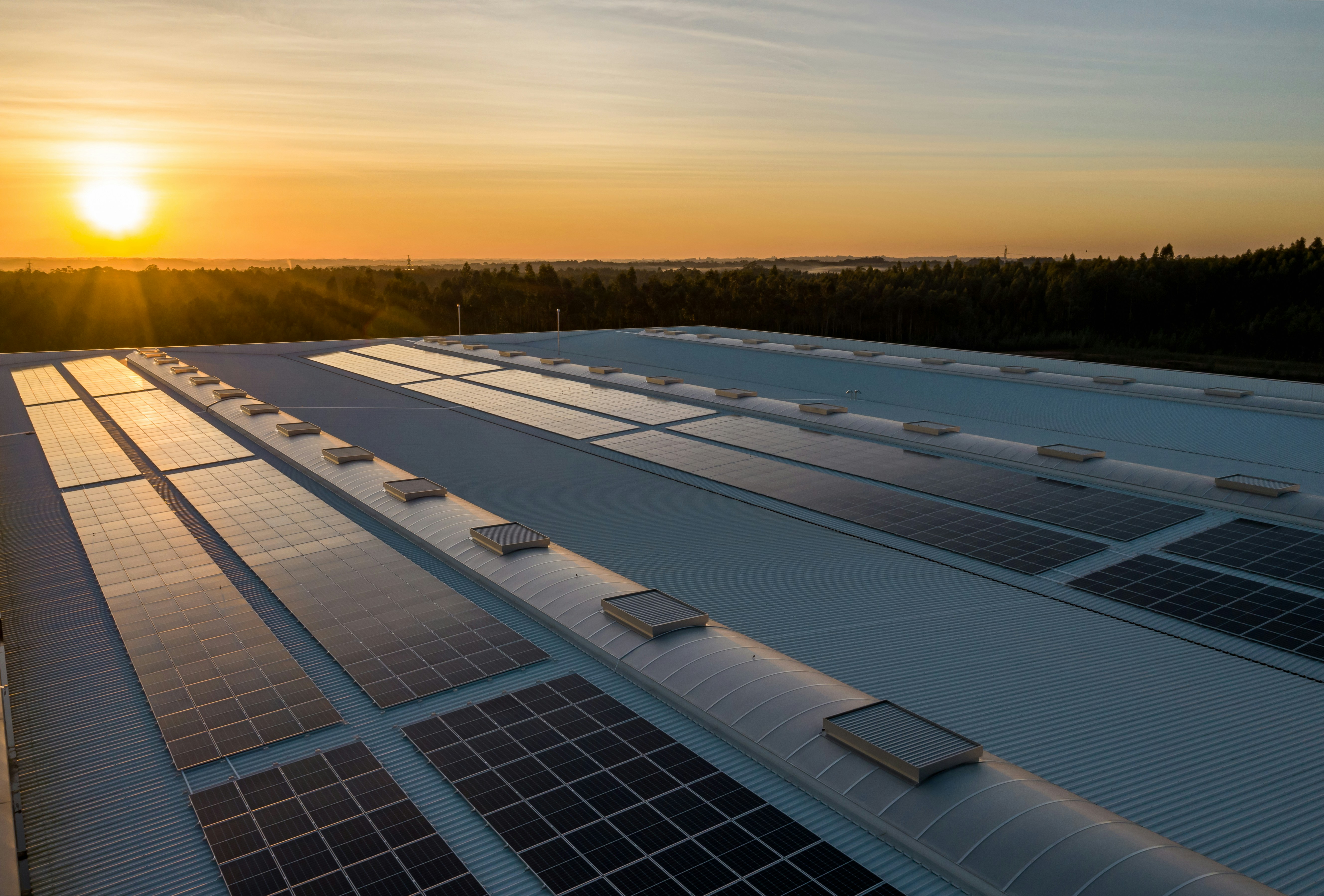 Image: Urban solar installation in Rotterdam, Netherlands. Source: Unsplash
How Modern Solar Energy Harvesting Devices Work
Today's devices are technological marvels far beyond basic panels. Let's unpack their anatomy:
- Intelligent Photovoltaics: Unlike passive panels, modern systems use micro-inverters that optimize each module's output independently
- Energy Harvesting ICs: These chips manage power conversion with up to 99% efficiency, squeezing energy from low-light conditions
- Predictive Analytics: Machine learning algorithms forecast production based on weather patterns and historical data
But what truly sets them apart? Their ability to harvest energy from dawn to dusk - and sometimes beyond. Take bifacial panels installed in Scandinavian countries. They capture:
| Energy Source | Traditional Panels | Bifacial Harvesters |
|---|---|---|
| Direct Sunlight | 100% | 100% |
| Reflected Light | 0% | Up to 30% |
| Low-Angle Light | Limited | Extended 2-hour operation |
Europe's Solar Adoption: Numbers That Speak Volumes
The statistics reveal an accelerating trend. In 2023 alone, Europe added 56 GW of solar capacity - equivalent to powering 16 million homes. But what's driving this? Consider two pivotal factors:
- Solar module costs have plummeted 82% since 2010 (IRENA)
- New EU regulations mandate solar installations on commercial buildings by 2027
 Image: Solar monitoring dashboard. Source: Pexels
Germany's Solar Success Story: A Blueprint for Harvesting Efficiency
Let's examine Bavaria's Pfalzsolar project - a real-world case study in optimized harvesting. This 1.2 MW installation achieved 32% higher yields than conventional systems through:
- Integrated storage harvesting excess noon-time energy
- Dynamic tilt adjustments tracking sun position
- AI-powered soiling detection triggering automatic cleaning
The results? 1,850 MWh annual production - enough to power 600 households while reducing carbon emissions by 1,100 tons yearly. Impressed? You should be. What makes this particularly relevant now is how their predictive maintenance model reduced downtime to just 0.7% (Fraunhofer Institute Study).
Beyond Panels: The Next Frontier of Harvesting Tech
Innovation continues to reshape possibilities. In Swedish trials, photovoltaic windows are harvesting energy from vertical surfaces while maintaining transparency. Meanwhile, French researchers at CEA Tech are developing perovskite-silicon tandem cells promising 35% efficiency. But here's a question for you: Could your building's facade become a power generator without aesthetic compromise? With building-integrated photovoltaics (BIPV), the answer is increasingly yes.
 Image: Solar-integrated architectural design. Source: Unsplash
Your Solar Journey Starts With One Question
Imagine your roof transforming sunlight into savings. Consider how much energy independence matters to your operations. What tangible step will you take this quarter to evaluate solar harvesting solutions for your property? Industry leaders are already having these conversations - isn't it time you joined them?
Related Contents

100 MW Solar Energy Storage Cabinet: Powering Europe's Clean Energy Transition
As Europe accelerates toward its 2030 renewable targets, a new generation of energy storage solutions is emerging on the grid scale. a seamless integration of solar farms and utility-scale storage systems working in concert to stabilize grids across Germany, Spain, and beyond. At the heart of this transformation lies the 100 MW solar energy storage cabinet – engineered to unlock solar potential and reshape energy resilience continent-wide.

Viridis Energy Solutions: Powering Europe's Clean Energy Transition
Walking through Berlin's solar-powered U-Bahn stations or Amsterdam's smart-grid neighborhoods, you can almost feel Europe's energy transformation. Yet beneath this visible progress lies a persistent challenge: how to harness renewable energy's full potential while overcoming intermittency. That's where Viridis Energy Solutions enters the equation – a key enabler for grid resilience in this critical transition era.

Guangzhou Daopulse Energy Co Ltd: Pioneering Solar Storage Solutions for Europe's Energy Transition
A family in Munich watches their electricity bill double within months. A Barcelona bakery faces production halts during grid instability. These aren't hypotheticals – they're Europe's energy reality. As fossil fuel volatility continues, households and businesses face a critical choice: remain vulnerable or embrace energy sovereignty. This urgency is why forward-thinking providers like Guangzhou Daopulse Energy Co Ltd are redefining solar storage across the continent.

Powering Europe's Energy Transition: Your Trusted Supplier of BESA Energy Solutions
A windy night in the North Sea generates surplus wind power, yet by morning peak demand, that clean energy is gone. Europe's renewable capacity grew 12% last year, but without storage, over 6.2 TWh of potential clean energy was curtailed across EU grids. This isn't just wasted power—it's missed decarbonization opportunities and grid vulnerability during demand spikes. As one German grid operator told me, "We're building solar highways with parking lots."
 Inquiry
 Online Chat