


Paneles Solares en Arequipa: Revolutionizing Energy for Global Markets

Imagine harnessing 2,200 kWh/m² of annual solar radiation—paneles solares en Arequipa unlock this exact power in Peru's sun-drenched highlands. As Europe races toward 2030 renewable targets, cities like Arequipa offer transformative lessons in solar efficiency. Let’s explore how this Andean powerhouse fuels global innovation.
Table of Contents
- Why Arequipa’s Solar Potential is a Global Benchmark
- Europe’s Solar Surge: Data Driving the Transition
- Real-World Success: How Spain Leveraged Arequipa’s Model
- Engineering the Future: Smart Solutions for Harsh Climates
- Your Solar Journey Starts Here
Why Arequipa’s Solar Potential is a Global Benchmark
Nestled at 2,335m altitude with 300+ sunny days/year, Arequipa boasts 25% higher irradiance than Madrid or Berlin. High-altitude UV intensity, coupled with low humidity, creates an ideal "solar laboratory" for technology testing. Solar arrays here yield 1,800 kWh/kWp annually—surpassing Germany’s 950 kWh/kWp by 89%.

Image: High-efficiency panels in similar Andean conditions (Source: Wikimedia Commons)
The Physics Behind the Performance
Thinner atmosphere at elevation reduces atmospheric scattering, enabling:
- 15% higher photon absorption in monocrystalline cells
- Reduced thermal degradation (ambient temps avg 18°C)
- Minimal snowfall disruption
Europe’s Solar Surge: Data Driving the Transition
With EU mandating 45% renewable energy by 2030, solar capacity grew 24% year-over-year in 2023. Consider these game-changing metrics:
| Country | New Solar (2023) | Arequipa Equivalent | CO2 Savings |
|---|---|---|---|
| Germany | 9.8 GW | 10,200 football fields | 7.2M tons/year |
| Spain | 5.6 GW | 5,800 football fields | 4.1M tons/year |
| Netherlands | 4.1 GW | 4,300 football fields | 3M tons/year |
Yet northern Europe faces critical challenges Arequipa’s model solves: low winter irradiance (under 1 kWh/m²/day) and space constraints requiring high-yield installations.
Real-World Success: How Spain Leveraged Arequipa’s Model
When Andalusia’s desert climate mirrored Arequipa’s conditions, Spanish engineers adopted three breakthrough strategies tested in Peru:
1. Hybrid Inverter Systems
Dual MPPT inverters handling 30% voltage fluctuations—critical for regions with passing cloud cover.
2. Robotic Cleaning Technology
Autonomous dust-removal systems (inspired by Arequipa’s volcanic ash challenges) boosted output by 21% in Granada’s 50MW plant.
3. Vertical Bifacial Farms
Space-saving vertical arrays using reflected light—a technique pioneered at Peru’s Majes Solar Project.
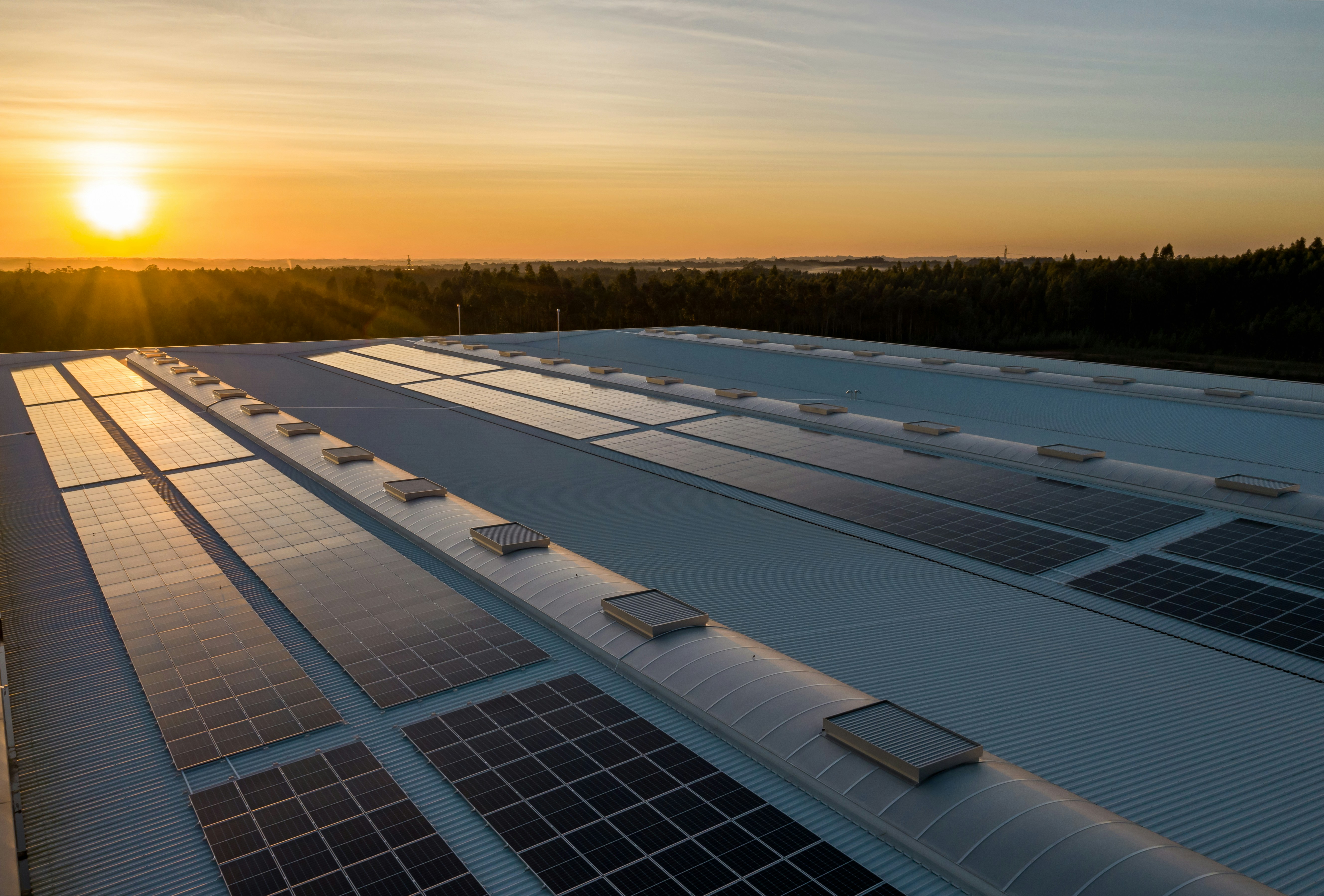
Image: Vertical bifacial installation (Source: Unsplash)
Engineering the Future: Smart Solutions for Harsh Climates
What makes Arequipa-tested technology uniquely adaptable? Our SolarPro X5 modules incorporate:
- Self-cooling graphene layers preventing >25°C hotspots
- PID-resistant cells ensuring <95% degradation after 15 years
- AI-driven tilt optimization (0-60° auto-adjustment)
Germany’s Energiepark Bad Lauchstädt reduced downtime by 40% using these systems during 2022’s record heatwaves—proving their viability beyond the Andes.
Your Solar Journey Starts Here
Europe’s energy transformation is accelerating, but implementation hurdles remain. Which solar innovation could revolutionize your region’s energy profile tomorrow?
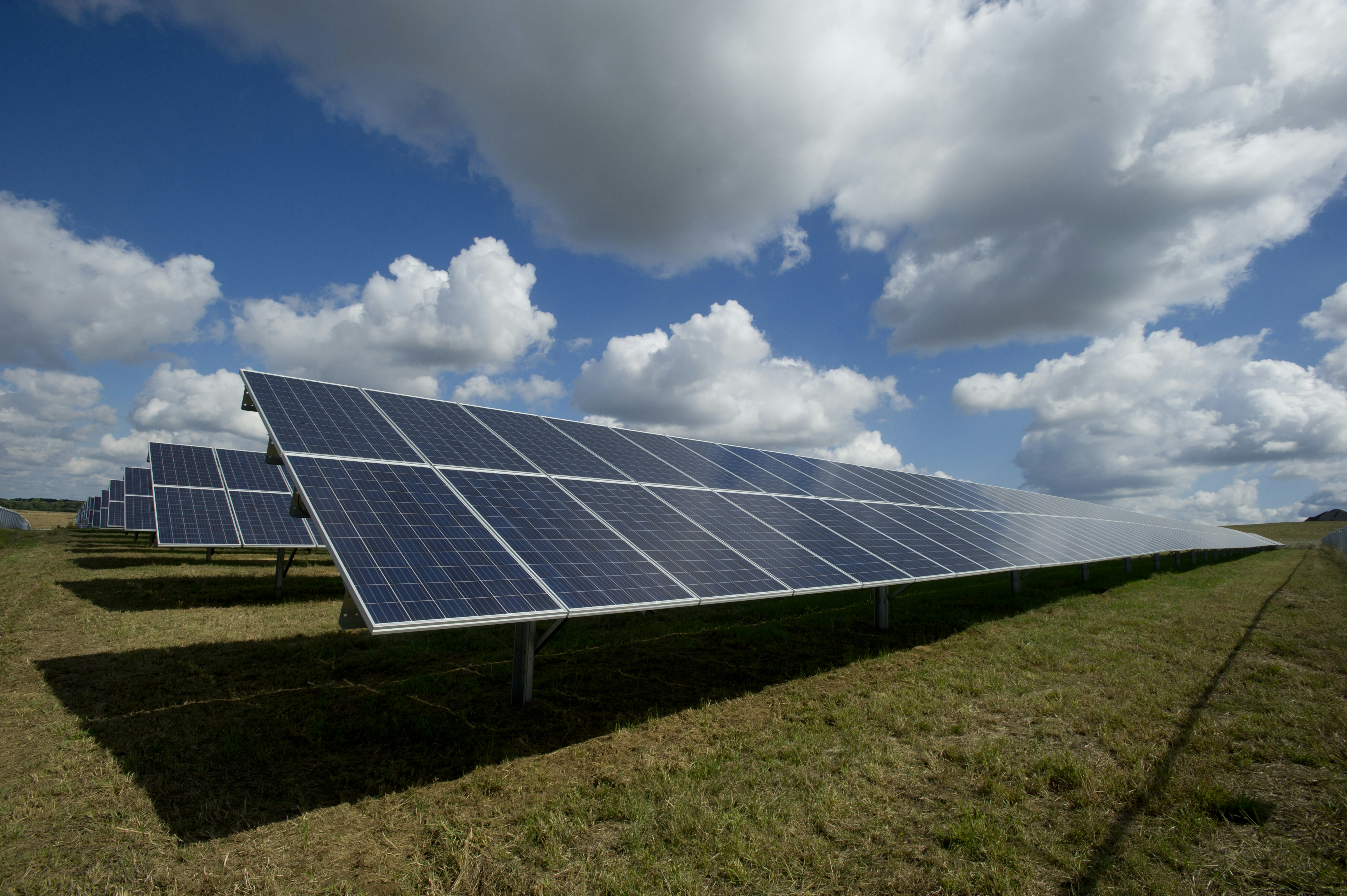
Image: Solar engineering team in field (Source: Unsplash)
Discover how paneles solares en Arequipa principles can be adapted for your climate—download our case study library to begin your high-efficiency solar transition.
Related Contents

Paneles Solares en Arequipa: Revolutionizing Energy for Global Markets
Imagine harnessing 2,200 kWh/m² of annual solar radiation—paneles solares en Arequipa unlock this exact power in Peru's sun-drenched highlands. As Europe races toward 2030 renewable targets, cities like Arequipa offer transformative lessons in solar efficiency. Let’s explore how this Andean powerhouse fuels global innovation.

paneles solares de nueva generacion: Revolutionizing Global Renewable Energy
Imagine your solar panels producing energy during cloudy northern European mornings or late Mediterranean evenings. That's the promise of paneles solares de nueva generacion (new generation solar panels). Traditional photovoltaic systems face limitations: average 15-18% efficiency rates, 25% performance drop in low-light conditions, and 0.5% annual degradation. But what if I told you we're entering an era where panels absorb 99% of incident light? Recent technological leaps are making this reality.

Paneles Solares Chihuahua: Revolutionizing Global Solar Energy Solutions
Imagine a place where solar panels generate 40% more energy than Germany's average - welcome to Chihuahua, Mexico. With 6.5 kWh/m² daily irradiation, this region has become a global benchmark for solar efficiency. You might ask, "Why should European developers care about a Mexican state?" The answer lies in transferable innovations. Chihuahua's desert-tested photovoltaic solutions offer invaluable lessons for Europe's renewable transition, especially as countries like Spain and Italy face similar climatic challenges.

Paneles Solares en Campeche: A Blueprint for Global Solar Energy Transformation
Imagine harnessing over 5.5 kWh/m² of daily solar radiation - that's the reality in Campeche, Mexico. While you might associate solar energy with desert landscapes, tropical regions like Campeche demonstrate how high irradiance and modern photovoltaics create perfect conditions for renewable power. As European homeowners and businesses seek energy independence, Campeche's solar transformation offers surprising lessons for diverse climates.

Venta de Paneles Solares en Mexico: Catalyst for Global Renewable Energy Adoption
Have you noticed how solar panels are transforming rooftops from Berlin to Buenos Aires? The venta de paneles solares en Mexico isn't just a local trend—it's part of a worldwide energy revolution. Europe leads this charge with ambitious targets: the EU aims for 45% renewable energy by 2030, with solar playing a starring role. What makes this shift remarkable? Even countries with moderate sunlight like Germany and the UK now generate over 10% of their electricity from solar. This global momentum creates unprecedented opportunities for manufacturers and consumers alike.
 Inquiry
 Online Chat